Source Wireless Intraoral Camera for Clinics, Labs, and Schools
Find and compare 30 wireless intraoral camera models from Chinese manufacturers. Evaluate features like HD resolution, auto-focus, and LED lighting to select the right diagnostic imaging system for your dental practice needs; compare the available evidence and request quotations based on your requirements.
Key considerations
Products List




Comprehensive Sourcing Guide
Wireless Intraoral Camera Sourcing Guide
Procurement of wireless intraoral cameras requires careful evaluation of imaging clarity and ergonomic design to ensure seamless integration into clinical workflows. Buyers must prioritize devices that offer high-definition resolution, such as the observed 1920 x 1080p or 1280 x 720p sensors, to capture precise dental details without motion blur. The wireless capability is essential for reducing cable clutter in the operatory, allowing clinicians to maneuver freely while maintaining a clear view of the oral cavity.
Selection should also account for the specific power source and battery runtime, as clinical efficiency depends on uninterrupted operation during procedures. Units with built-in rechargeable batteries offering approximately six hours of runtime provide sufficient flexibility for a full day of patient appointments. Additionally, the weight of the handheld unit, typically around 180 grams, influences user fatigue over extended periods, making lightweight construction a critical factor in the final purchasing decision.
Product Scope and Observed Listing Signals
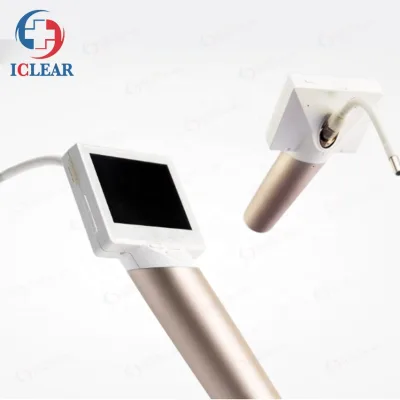
The market for wireless intraoral cameras presents a diverse range of models with varying specifications, including different resolutions and sensor types. Listings indicate that products often feature HD imaging capabilities with full-color TFT-LCD displays, such as the 2.5-inch screens observed in current catalogs. These visual interfaces allow for immediate image review on the device itself, facilitating quick diagnostic decisions without the need for external monitors in every scenario.
Buyers should note significant variations in material composition and light source technology across different suppliers. While some units utilize plastic housings with high-luminance white LEDs, others may incorporate PVC materials or different LED configurations like six white cold light LEDs. The observed price range spans from approximately 9.18 to 715.37 USD, reflecting differences in build quality, sensor resolution, and brand positioning, necessitating a clear definition of budget constraints before engaging with suppliers.
Technical Specifications to Verify
Verification of the image sensor and resolution is paramount for ensuring diagnostic accuracy in dental imaging applications. Buyers must confirm whether the device utilizes a CMOS sensor capable of delivering 2 million pixels or higher, ensuring that the output meets the required 1920 x 1080p standard for detailed examination. The focus range, typically observed between 5 to 50 mm, must be validated to ensure the camera can capture both close-up textures and broader oral structures effectively.
Power management and connectivity options also require rigorous testing to guarantee reliability during clinical use. The presence of a built-in rechargeable battery with a defined runtime, such as six hours, is a key specification that prevents workflow interruptions. Furthermore, the output interface, often USB, should be compatible with existing dental software systems to ensure seamless transfer of JPEG or AVI files for patient records and treatment planning.
Compliance and Safety Documentation
Regulatory compliance is a non-negotiable aspect of sourcing medical imaging equipment, particularly for devices classified as Class I instruments. Buyers must request valid Quality Certifications, such as CE marks, to confirm that the product meets essential safety and performance standards for medical devices in the target market. The absence of these certifications can lead to legal liabilities and the inability to deploy the equipment in professional healthcare settings.
In addition to general safety certifications, specific documentation regarding the product's shelf life and warranty terms should be scrutinized. Products often carry a one-year shelf life and a corresponding one-year warranty, which indicates the manufacturer's confidence in the product's durability. Ensuring that the supplier provides clear after-sale service policies, including return and replacement protocols, is essential for mitigating risks associated with potential equipment failures or defects.
Cost Drivers and Commercial Terms
The final cost of a wireless intraoral camera is influenced by multiple factors, including the resolution of the image sensor, the quality of the display, and the complexity of the wireless transmission technology. Higher resolution models with advanced features like auto-focus and high-luminance LED lighting typically command a premium price compared to basic HD units. Buyers should analyze the total cost of ownership, considering that lower initial prices may correlate with reduced battery life or inferior build materials.
Commercial terms such as Minimum Order Quantity (MOQ) and customization options significantly impact the procurement strategy for dental practices and distributors. Observed MOQs range from single items to ten units, offering flexibility for small clinics while bulk orders may unlock better pricing tiers. The availability of OEM services allows buyers to brand the device according to their corporate identity, which can be a decisive factor for distributors looking to expand their product portfolio.
Supplier Qualification and Quality Control
Assessing the supplier's manufacturing location and production standards is crucial for ensuring consistent product quality and reliable supply chains. Most observed listings originate from regions in China, such as Guangdong and Henan, where specialized manufacturing clusters exist for medical imaging devices. Buyers should verify the specific factory capabilities and quality control processes to ensure that the production environment adheres to strict standards for medical device manufacturing.
Quality control measures should extend beyond the final inspection to include material verification and functional testing of each unit. The use of specific materials like plastic or PVC must be validated for durability and biocompatibility, ensuring the device can withstand repeated sterilization and handling in a clinical environment. Suppliers offering customization services should demonstrate a robust process for maintaining quality consistency across different product configurations and branding requirements.
Long-Term Procurement Checks
Establishing a long-term relationship with a supplier requires ongoing verification of product performance and after-sales support reliability. Buyers should implement a system for tracking device performance over time, noting any issues related to battery degradation, sensor clarity, or connectivity stability. Regular feedback loops with the supplier can help identify recurring problems early, allowing for timely adjustments to the procurement strategy or product specifications.
Future-proofing the procurement strategy involves monitoring the evolution of technology and standards in the dental imaging sector. As resolution requirements and connectivity protocols advance, suppliers must demonstrate their ability to update their product lines accordingly. Maintaining a clear understanding of the supplier's commitment to innovation and their capacity to provide updated models ensures that the dental practice remains equipped with the latest diagnostic tools for years to come.
FAQs
What is the resolution of the wireless intraoral camera?
The device offers HD resolution with a 1280 by 720p image sensor. Some models support 1920 by 1080 pixels for clearer diagnostics. This ensures detailed imaging for oral departments during clinical procedures.
How long does the battery last on a single charge?
The built-in rechargeable battery provides approximately six hours of continuous runtime. This electric power source supports extended use without frequent interruptions. It is designed for efficient operation throughout a typical workday.
Which certifications does the dental camera hold?
The product holds CE and ISO quality certifications for safety and compliance. These standards ensure the equipment meets international requirements for medical devices. Buyers can verify these documents before placing bulk orders.
Can I customize the product with my brand name?
Yes, customization is available for this wireless intraoral camera model. Buyers can request specific branding or packaging options to suit their needs. This service allows for tailored solutions for different dental clinics.
What is the minimum order quantity for this item?
The minimum order quantity ranges from one to ten units depending on the supplier. This flexible MOQ allows small clinics to start with a single item. Larger orders may qualify for different pricing tiers.
Where is the product manufactured and shipped from?
The product originates from Guangdong or Henan in China. These locations serve as the primary manufacturing hubs for this equipment. Shipping details vary based on the specific supplier selected.
What is the warranty period for the device?
A one-year warranty is provided for this dental imaging system. The warranty covers return and replacement services for defective units. This ensures protection for buyers against early equipment failures.